Recommended Reads

Should You Rent or Buy Rehab or Medical Equipment?

Should You Rent or Buy Rehab or Medical Equipment?

If you or a loved one has just come home from the hospital, one of the first things you may need to arrange is equipment such as a wheelchair, a hospital bed, or oxygen support.   Then comes the big question: Should you rent it, or buy it?   What many people don’t realise is that these items can either be rented or purchased, depending on the situation. At BIG Pharmacy, a range of rehabilitation equipment is also available for rental and purchase, allowing families to choose what works best for their needs.   These decisions are often made quickly, and not everyone is sure what the best option is. Many families still default to buying, simply because it feels like the safer or more straightforward choice. First, think about the recovery timeline   The most important factor isn’t just how long you think the equipment will be needed, but whether the condition is expected to improve.   If the patient is likely to recover and return to their usual routine and mobility, the need is usually temporary. If the condition requires ongoing support, it may be longer term.   The challenge is that recovery doesn’t always go exactly as planned. What starts off as a short-term need can sometimes stretch over a longer period. That’s why having some flexibility can help.   When renting or buying makes more sense   For short-term or uncertain situations, renting is often a practical option.   For example, an electric hospital bed can cost around RM4,000 to purchase. Renting, on the other hand, can start from about RM233 per month on a six-month package. This can be easier to manage when the equipment is only needed for a period of time.   Beyond cost, renting also comes with added support by BIG Pharmacy: Equipment is checked and maintained Repairs and part replacements are handled Faulty units can be replaced, if needed You don’t have to manage servicing on your own This can help reduce the risk of unexpected costs and ease the burden of managing equipment, especially for first-time caregivers.   Renting can also be helpful if: You’re unsure how long the equipment will be needed You want to avoid a large upfront purchase You don’t want to keep bulky equipment like hospital beds after recovery   Buying, on the other hand, may make more sense in situations where: The equipment is needed on a long-term or permanent basis. There is a likelihood of repeated use For some families, owning the equipment also provides a sense of certainty and immediate access without ongoing rental commitments.   With equipment ownership, families may also need to factor in ongoing upkeep such as maintenance or repairs over time. Guidance makes a difference   Choosing the right equipment isn’t always straightforward, especially if it’s your first time arranging care at home.   At BIG Pharmacy, trained pharmacists with rehabilitation knowledge can help assess the patient’s condition and expected duration of use, and recommend whether renting or buying is more suitable.   This support is available regardless of whether the equipment is rented or purchased, helping families make informed decisions with greater confidence.   Support also continues after delivery, whether the equipment is rented or purchased. Customers are guided on how to use the equipment and can reach out if they need help, whether it’s a quick question or step-by-step guidance.   For many families, having someone to turn to makes the process much easier.     What equipment can you rent?   BIG Pharmacy offers a range of commonly used rehabilitation equipment for rental, including: Wheelchairs Hospital beds Oxygen concentrators Oxygen tanks   Getting the Right Advice for Your Situation   If the need is temporary or uncertain, renting can offer flexibility. If the need is long-term, buying may provide greater continuity and convenience.   If you’re unsure, speaking to someone who understands both options can help you make a more informed decision based on what works best for your situation.  

Read More
Glow Inside and Out: Key Tips for Women’s Health

Maintaining healthy skin and overall wellness requires a combination of targeted nutrients and a consistent skincare routine. Women often face unique challenges like hormonal changes, aging, and stress, making it essential to focus on both internal and external health. Incorporating appropriate supplements and skincare products may help support your skin, promote a healthy appearance, and enhance overall vitality. Essential Supplements for Women Collagen Peptides¹Collagen is a vital protein that supports skin elasticity and hydration. As we age, collagen production decreases, leading to wrinkles and loss of skin firmness. Supplementing with hydrolyzed collagen has been shown to improve skin elasticity, moisture retention, and reduce fine lines by stimulating collagen production and protecting existing collagen from degradation. Omega-3 Fatty Acids (EPA & DHA)²Omega-3 fatty acids, especially EPA and DHA found in fish oils like krill oil, are important for reducing inflammation and supporting skin health. They help manage dry skin, acne, and photoaging by strengthening the skin barrier and reducing ultraviolet (UV) damage. Vitamin D³Vitamin D is essential for immune function, bone health and the regulation of skin cell regeneration. Adequate vitamin D levels may also help support the management of inflammatory skin conditions such as acne, atopic dermatitis and psoriasis. Hyaluronic Acid⁴Hyaluronic acid helps retain moisture in the skin, making it appear youthful. Taking hyaluronic acid supplements can improve skin hydration and reduce wrinkles, giving your skin a more hydrated and glowing appearance. Vitamin C and E (Antioxidants)⁵Antioxidants like vitamin C and vitamin E help protect the skin from oxidative stress caused by UV rays and pollution. Vitamin C supports collagen production and brightens the skin, while vitamin E helps protect cell membranes and reduces damage from free radicals. Magnesium⁶Magnesium is essential for alleviating Premenstrual Syndrome (PMS) symptoms and managing stress. It can help reduce cramps and abdominal pain and may also improve irritability, particularly during menstruation. CoQ10⁷Coenzyme Q10 is an antioxidant that plays an important role in cellular energy production. It has been studied for its potential to support skin health by helping to reduce oxidative stress and improve skin appearance. Some studies suggest it may help improve skin smoothness and reduce visible signs of skin ageing. Astaxanthin²Astaxanthin is a naturally occurring antioxidant that has been studied for its potential role in skin health. It may help protect skin cells from oxidative stress caused by environmental factors such as UV exposure. Some studies suggest that astaxanthin supplementation may help improve skin elasticity and hydration while supporting the skin’s natural refences against photoaging. Its anti-inflammatory properties may also help maintain overall skin comfort. NMN (Nicotinamide Mononucleotide)⁸NMN supports cellular repair and energy production, making them useful for combating signs of aging. These supplements help maintain the integrity of the skin, reduce wrinkles, and enhance overall skin health by boosting collagen production. Skincare Routine for Women Cleansing⁹A gentle, pH-balanced cleanser should be used to remove impurities without stripping the skin of its natural oils. Ingredients like ceramides and hyaluronic acid are beneficial for hydration and restoring the skin’s natural barrier. Exfoliation¹⁰Exfoliate with AHAs (alpha hydroxy acids) or BHAs (beta hydroxy acids) about 2 times a week to remove dead skin cells and prevent clogged pores. This helps improve skin texture and promote cell turnover. Moisturisation¹¹A moisturiser with niacinamide can improve skin hydration and help strengthen the skin barrier. Sun Protection¹²Sunscreen with SPF 30 or higher is essential to reduce UV-induced aging and skin damage. ConclusionIncorporating supplements like collagen, omega-3 fatty acids, hyaluronic acid, and antioxidants into your routine, combined with a solid skincare regimen, may support skin health and overall well-being. These ingredients and practices can contribute to maintaining youthful, hydrated, and protected skin. For personalized advice, visit your local BIG pharmacy or consult with a healthcare professional.   References Proksch E, Schunck M, Zague V, Segger D, Degwert J, Oesser S. Oral intake of specific bioactive collagen peptides reduces skin wrinkles and increases dermal matrix synthesis. Skin Pharmacol Physiol. 2014;27(3):113-119. Duo L, Yang J, Wang X, Zhang G, Zhao J, Zou H, Wang Z, Li Y. Krill oil: nutraceutical potential in skin health and disease. Front Nutr. 2024;11:1388155. doi:10.3389/fnut.2024.1388155. Bukvić Mokos Z, Tomić Krsnik L, Harak K, Marojević Tomić D, Tešanović Perković D, Vukojević M. Vitamin D in the prevention and treatment of inflammatory skin diseases. Int J Mol Sci. 2025;26(11):5005. doi:10.3390/ijms26115005. Kawada C, Yoshida T, Yoshida H, Matsuoka R, Sakamoto W, Odanaka W, et al. Ingested hyaluronan moisturizes dry skin. J Clin Biochem Nutr. 2014;55(3):182-187. Pullar JM, Carr AC, Vissers MCM. The roles of vitamin C in skin health. Nutrients. 2017;9(8):866. doi:10.3390/nu9080866. Yaralizadeh M, Nezamivand-Chegini S, Najar S, Namjoyan F, Abedi P. Effectiveness of magnesium on menstrual symptoms among dysmenorrheal college students: a randomized controlled trial. Int J Womens Health Reprod Sci. 2024;12(2):70-76. doi:10.15296/ijwhr.2023.25. Žmitek K, Pogačnik T, Mervic L, Žmitek J, Pravst I. The effect of dietary intake of coenzyme Q10 on skin parameters and condition: Results of a randomised, placebo-controlled, double-blind study. Biofactors. 2017;43(1):132-140. doi:10.1002/biof.1316. Yoshino J, Baur JA, Imai SI. NAD⁺ intermediates: the biology and therapeutic potential of NMN and NR. Cell Metab. 2018;27(3):513-528. doi:10.1016/j.cmet.2017.11.002. Baldwin H, Alexis AF, Andriessen A, Berson DS, Farris P, Harper J, et al. Evidence of barrier deficiency in rosacea and the importance of integrating OTC skincare products into treatment regimens. J Drugs Dermatol. 2021;20(4):384-388. doi:10.36849/JDD.5601. Grajqevci-Kotori M, Kocinaj A. Exfoliative skin-peeling, benefits from this procedure and our experience. Med Arch. 2015;69(6):414-416. doi:10.5455/medarh.2015.69.414-416. Sjöberg T, Fsahaye A, Nilsson EJ, et al. Niacinamide and its impact on stratum corneum hydration and structure. Sci Rep. 2025;15:4953. doi:10.1038/s41598-025-88899-0. Bieńkowska A, Boedewadt J, Elsbroek L, Kolbe L, Gallinat S, Winnefeld M. Sunscreen application substantially mitigates molecular perturbations induced by repetitive UV exposure and maintains healthy skin. Sci Rep. 2026;16:4326. doi:10.1038/s41598-026-37232-4.

Read More

What is Tuberculosis (TB)?

Tuberculosis (also known as TB) is an infectious disease caused by the bacterium Mycobacterium tuberculosis. It is an airborne disease that is spread when a person with TB coughs, sneezes or spits. Healthy individuals who come into close contact and breathe in these airborne particles may become infected¹.

Read More
Tips for Maintaining Liver Health During Festive Season

Tips for Maintaining Liver Health During Festive Season

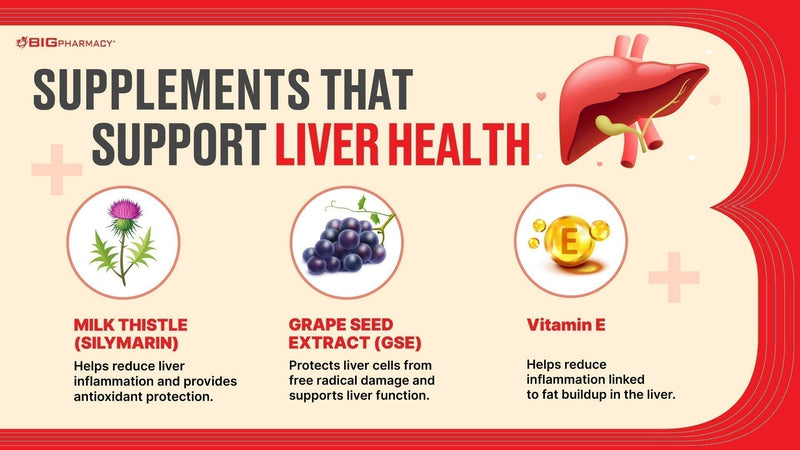
Festive seasons are always celebrated with joy and tradition, where each community embraces its own unique way of marking the occasion. With the Chinese New Year approaching, many of us are looking forward to tables filled with a variety of dishes and late-night gatherings with family and friends. But do you know that while you’re enjoying every delicious bite and appetising drink, your body is signalling one special organ to work overtime? Yes, it’s the liver. Our liver is a unique organ, whose biggest job is filtering harmful substances and wastes from the blood - and its health often shows through the appearance of our skin. Besides this, the liver also carries out 5 other important functions, which include1,2 Helping to digest food by producing bile, which in turn breaks down fats in the small intestines. Storing and releasing energy by managing glucose. Filtering toxins. Supporting immunity by removing germs and bacteria from the bloodstream. Keeping blood healthy by making important proteins and helping with clotting. During the festive season, the liver can feel the impact even more. Richer foods, sweeter drinks and late-night gatherings all mean it may have to work harder to digest, detoxify and keep everything in check. The liver is like the quiet engine that lets you enjoy the celebrations without your body feeling the strain.1,2 Because of this extra workload, many people look for ways to support their liver during this period. While good habits like staying hydrated, eating mindfully and not overindulging are still the foundation, certain supplements can offer an added boost. Here are some supplements that can help the liver to function better: Milk thistle (Silymarin) Milk thistle has been shown to decrease liver inflammation.3 It also displays high antioxidant properties, which help act against free radicals in the liver.4 Grape seed extract (GSE) Appears to have a protective effect on your liver - it reduces inflammation and is an antioxidant that protects against free radical damage when the liver is exposed to toxins.5 Consuming GSE has been shown to improve liver function in non-alcoholic fatty liver disease.5 Vitamin E May help reduce inflammation associated with fat buildup in the liver. Ongoing inflammation can, over time, contribute to liver tissue damage and scarring.6     Other supplements such as omega-3 and curcumin may also offer benefits for liver health due to their anti-inflammatory properties.7 While these supplements can provide supportive effects, they should not replace a healthy lifestyle. Maintaining a healthy liver still depends on balanced nutrition, regular exercise, limiting alcohol intake and avoiding overly processed foods. Supplements can be helpful as an addition, but the foundation of liver care should always be wholesome eating habits and overall healthy living for long-term wellness. As we celebrate the Lunar New Year, it’s important to stay mindful. Enjoy the festivities, but choose your foods wisely. Drop by your nearest BIG Pharmacy for guidance on looking after your liver during the festive season. References:  Johns Hopkins Medicine. “Liver: Anatomy and Functions.” Johns Hopkins Medicine, 2025, https://www.hopkinsmedicine.org/health/conditions-and-diseases/liver-anatomy-and-functions Cleveland Clinic. “Liver.” Cleveland Clinic, 2025, https://my.clevelandclinic.org/health/body/21481-liver Woreta, Tinsay, MD MPH. “Detoxing Your Liver: Fact Versus Fiction.” Johns Hopkins Medicine, Johns Hopkins University, 2025, https://www.hopkinsmedicine.org/health/wellness-and-prevention/detoxing-your-liver-fact-versus-fiction  MacDonald-Ramos K, Michán L, Martínez-Ibarra A, Cerbón M. Silymarin is an ally against insulin resistance: A review. Ann Hepatol. 2021;23:100255. doi:10.1016/j.aohep.2020.10.007. Hill, Caroline. “10 Benefits of Grape Seed Extract, Based on Science.” Healthline, 15 July 2024, https://www.healthline.com/nutrition/grape-seed-extract-benefits#liver-support Schmidt, Nicole. “Vitamin E for Fatty Liver: Benefits and Risks.” WebMD, WebMD, 2 Jan. 2025, https://www.webmd.com/fatty-liver-disease/benefits-vitamin-e-liver Mayo Clinic. “Vitamins and Supplements for Fatty Liver Disease (MASLD).” Mayo Clinic, 9 Oct. 2025, www.mayoclinic.org/diseases-conditions/fatty-liver-disease-masld/in-depth/vitamins-and-supplements-for-fatty-liver-disease-masld/art-20587290

Read More
Supplements for Men’s Vitality

Supplements for Men’s Vitality

Maintaining energy, strength, and overall well-being is essential for men, especially as they age. Factors such as stress, poor nutrition, and declining hormone levels can contribute to fatigue, reduced muscle mass, and lower testosterone levels. While a healthy diet and regular exercise are crucial, certain supplements can provide additional support. This article explores the best scientifically backed supplements to boost energy, strength, and overall well-being. Vitamin D1 Vitamin D is crucial for testosterone production, bone health, and immune function. Many men are deficient due to limited sun exposure. Studies show that adequate vitamin D levels support muscle strength and mood. Magnesium2 Magnesium plays a role in maintaining muscle function, heart health, and energy production. It also helps regulate testosterone levels. The average daily recommended amount varies across different age groups and also gender. Hence, it is important to first consult your healthcare provider prior to starting the supplementation. Zinc3 Zinc is essential for immune function, testosterone production4, and reproductive health. Even a mild deficiency can lead to fatigue and reduced testosterone levels. Supplementation may help men who don’t get enough from their diet. Coenzyme Q105 Coenzyme Q10 (CoQ10) is a naturally occurring antioxidant present in every cell of the human body, playing a crucial role in energy production and overall health. As men age, CoQ10 levels naturally decline, which can impact vitality. Supplementation with CoQ10 has been associated with various health benefits, including improved energy levels, enhanced exercise performance, sperm health and support for heart health. Vitamin B Complex6 Vitamin B Complex plays a vital role in energy production in the human body. Supplementation with this group of compounds improves physical performance and reduces fatigue. In addition, there is a low likelihood of developing adverse effects when it is taken at appropriate doses. Eurycoma longifolia (Tongkat Ali)7 The Eurycoma longifolia Jack (also known as “Tongkat Ali”), is a popular herbal supplement amongst men. The roots extract of this plant is traditionally used to boost energy levels and improve exercise recovery. Besides these health benefits, Tongkat Ali consumption has also shown to increase testosterone levels and muscle strength. Cordyceps Sinensis8 Cordyceps Sinensis is a type of fungus that has been widely used in Traditional Chinese Medicine to combat fatigue. It is known to contain plenty of nutrients such as magnesium, calcium, zinc and vitamin B. Consuming it as a supplement can improve energy and endurance, especially in those that are physically active.  Conclusion While supplements can support men's vitality, they should not replace a healthy lifestyle. Quality matters, so pharmacists play a crucial role in guiding men toward high-quality, evidence-based supplements while ensuring proper dosages and preventing medication interactions. By incorporating the right supplements and maintaining a balanced lifestyle, men can optimize their energy, strength, and overall well-being. Visit your nearest BIG Pharmacy for more advice on supplements to support men’s vitality! References Vitamin D (2024) The Nutrition Source.  (Accessed: February 2025). Web link: https://nutritionsource.hsph.harvard.edu/vitamin-d/. Office of dietary supplements - magnesium NIH Office of Dietary Supplements. (Accessed: February 2025).  Web link: https://ods.od.nih.gov/factsheets/Magnesium-Consumer/  Zinc (2023) Mayo Clinic. (Accessed: February 2025). Web link: https://www.mayoclinic.org/drugs-supplements-zinc/art-20366112.  Correlation between serum zinc and testosterone: A systematic review. Te, L. et al. (2023) Journal of Trace Elements in Medicine and Biology, 76, p. 127124. (Accessed: February 2025). Web link: doi:10.1016/j.jtemb.2022.127124. Coenzyme Q10: Overview, uses, side effects, precautions, interactions, dosing and reviews WebMD. (Accessed: February 2025) Web link: https://www.webmd.com/vitamins/ai/ingredientmono-938/coenzyme-q10. A functional evaluation of anti-fatigue and exercise performance improvement following vitamin B complex supplementation in healthy humans, a randomized double-blind trial. Lee, MC. et al. (2023) International Journal of Medical Sciences, 20, p. 1272-1281. (Accessed: April 2025). Web link: doi: 10.7150/ijms.86738. Review on a Traditional Herbal Medicine, Eurycoma longifolia Jack (Tongkat Ali): Its Traditional Uses, Chemistry, Evidence-Based Pharmacology and Toxicology. Rehman, SU. et al. (2016) Molecules, 21, p. 331. (Accessed: April 2025). Web link: doi: 10.3390/molecules21030331. Effects of cordyceps sinensis supplementation during 12 weeks in amateur marathoners: A randomized, double-blind placebo-controlled trial. Savioli, FP. et al. (2022) Journal of Herbal Medicine, 34, p. 100570. (Accessed: April 2025). Web link: doi:10.1016/j.hermed.2022.100570.

Read More
Global Bites , Happy Guts : A Traveler’s Guide to Prevent Gastrointestinal Woes

Global Bites , Happy Guts : A Traveler’s Guide to Prevent Gastrointestinal Woes

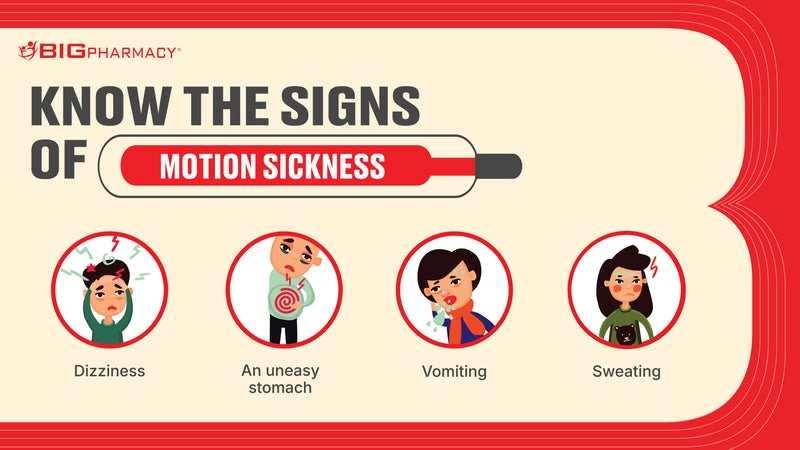
You’re on a dream holiday—sun, sea, and new adventures ahead. But halfway through the journey, the excitement fades as nausea creeps in, your head spins, and your stomach churns. You’ve just met an unwelcome travel companion: motion sickness. Motion Sickness is a common condition marked by dizziness, an uneasy stomach, and sometimes vomiting. It isn’t a disease, but rather your body’s reaction to an unfamiliar motion environment. The root cause lies in what scientists call “sensory conflict.” Your brain processes information from three main systems: The vestibular system in the inner ear, which senses movement and balance. Your eyes, which detect what you see around you. Proprioceptors in your muscles and joints, which sense your body’s position. When these systems disagree—for example, if your inner ear senses motion but your eyes focus on a still object—your brain gets conflicting messages. This confusion can trigger the symptoms known as motion sickness.1 It can happen anywhere: in cars, on boats, in planes, on roller coasters, and even in virtual reality environments.2  Some people are extremely sensitive and react to the slightest motion, while others barely notice even in rough conditions. Preventing Motion Sickness The best strategy is prevention, and small adjustments can make a big difference. Experts recommend:1-2 Choose the most stable seat—over the wings in a plane, midship on a boat, or front seat in a car. Fix your gaze on the horizon to help align what your eyes and inner ear are telling your brain. Limit head movement and avoid reading while in motion. Ensure good ventilation, as fresh air can ease symptoms. Gradually expose yourself to motion over time to help your body adapt. For some travellers, medication can help. First-generation antihistamines such as dimenhydrinate or meclozine are proven to reduce the likelihood of symptoms, especially if taken before travel.2-3 These medicines can cause drowsiness, so they’re best used with caution if you need to stay alert. Easing Symptoms If motion sickness strikes despite your best efforts, you can still take steps to feel better. Lie down with your eyes closed, keep your head still, or look out at a stable point on the horizon.2 Avoid heavy meals, strong smells, and dehydration. Medications used for prevention—like antihistamines and anticholinergics—can also be taken after symptoms begin, though they’re generally more effective beforehand.3 Travelling Without the Quease While motion sickness can put a damper on your plans, it doesn’t have to ruin your trip. By understanding your triggers, making smart seating choices, and using proven prevention and treatment strategies, you can keep discomfort at bay.  Visit your nearest BIG Pharmacy to know more about how to keep motion sickness away so that whether you’re setting sail, taking off, or hitting the road, you’ll be ready to say: Jet set, go!   References Leung A.K.C., & Hon K.L. Motion sickness: An overview. Drugs in Context. 2019; 8, 1–11. Brainard A., & Gresham C. Prevention and Treatment of Motion Sickness. American Family Physician, 2014; 90(1), 41–46. Liang K., Liu Y., Wang W., & Geng R. Research Progress in the Treatment of Motion Sickness. International Journal of Biology and Life Sciences, 2022; 1(1), 43–46.

Read More